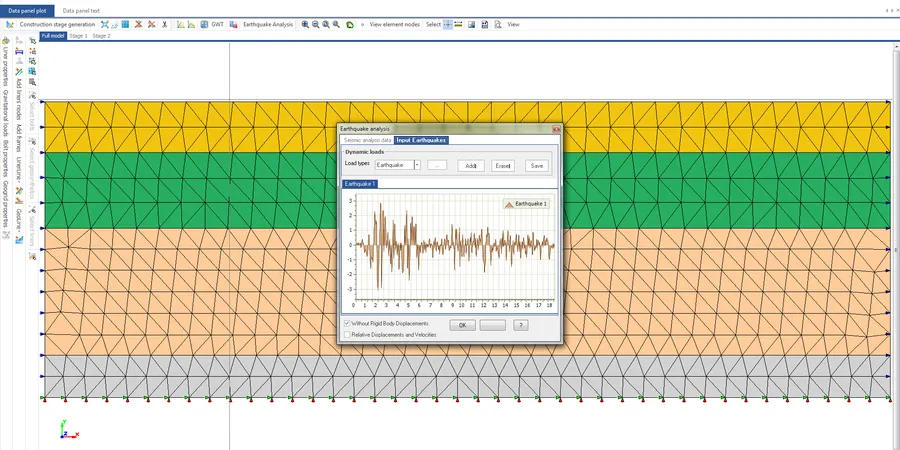
Seismic engineering in Allentown, Pennsylvania, encompasses a specialized set of services designed to evaluate and mitigate the effects of earthquake-induced ground motion on structures. While the region is not associated with high seismic activity like the West Coast, the potential for moderate tremors from distant seismic zones or local fault systems makes this category essential for ensuring public safety and structural integrity. Our seismic category integrates advanced analytical methods, such as site response analysis, to predict how local soil conditions will amplify or dampen seismic waves, directly informing the design of resilient buildings and infrastructure.
Allentown's geological setting is dominated by sedimentary bedrock, including limestone and dolomite of the Valley and Ridge Province, overlain by glacial deposits and alluvial soils in the Lehigh River Valley. These softer soil layers can significantly amplify seismic waves, a phenomenon known as site amplification, which poses unique risks for structures founded on unconsolidated materials. Understanding this local geology is critical for accurate seismic hazard assessments, as even minor earthquakes can cause disproportionate damage in areas with poor soil conditions. Our services address these site-specific challenges through detailed geotechnical investigations and modeling.
In the United States, seismic design is governed by the International Building Code (IBC), which references ASCE 7 standards for minimum design loads. For Pennsylvania, the Pennsylvania Construction Code Act (Act 45) adopts the IBC with state-specific amendments, requiring that all new buildings in Allentown comply with seismic provisions based on mapped spectral response accelerations. These codes mandate that structures be designed to resist lateral forces from earthquakes, with special considerations for soil-structure interaction. Compliance with these regulations is not optional; it is a legal requirement that protects both life and property.
Projects that typically require seismic engineering services in Allentown include high-rise buildings, hospitals, schools, bridges, and critical infrastructure such as water treatment plants and emergency response facilities. Additionally, renovations or expansions of existing structures may trigger seismic upgrades, especially if the original design did not account for current code requirements. Industrial facilities housing hazardous materials also demand rigorous seismic evaluations to prevent secondary disasters. Our expertise in base isolation seismic design offers an advanced solution for such projects, allowing structures to decouple from ground motion and minimize damage.
The primary purpose is to protect structures and occupants from earthquake-induced ground motions by evaluating local soil conditions, applying building codes like the IBC and ASCE 7, and designing resilient foundations and structural systems. This reduces the risk of collapse and damage during seismic events.
Allentown's glacial deposits and alluvial soils in river valleys can amplify seismic waves, increasing ground shaking intensity. This site effect must be quantified through site response analysis to ensure that structural designs account for the actual dynamic behavior of the ground beneath a building.
Yes, under the Pennsylvania Construction Code Act, which adopts the IBC, seismic provisions apply to most new buildings and significant renovations. The requirements vary based on occupancy category, soil class, and seismic hazard level, but compliance is legally enforceable.
Projects such as hospitals, schools, high-rise buildings, bridges, and industrial facilities handling hazardous materials commonly require seismic evaluations. Retrofits of older structures, especially those built before modern codes, also frequently need assessments to meet current safety standards.